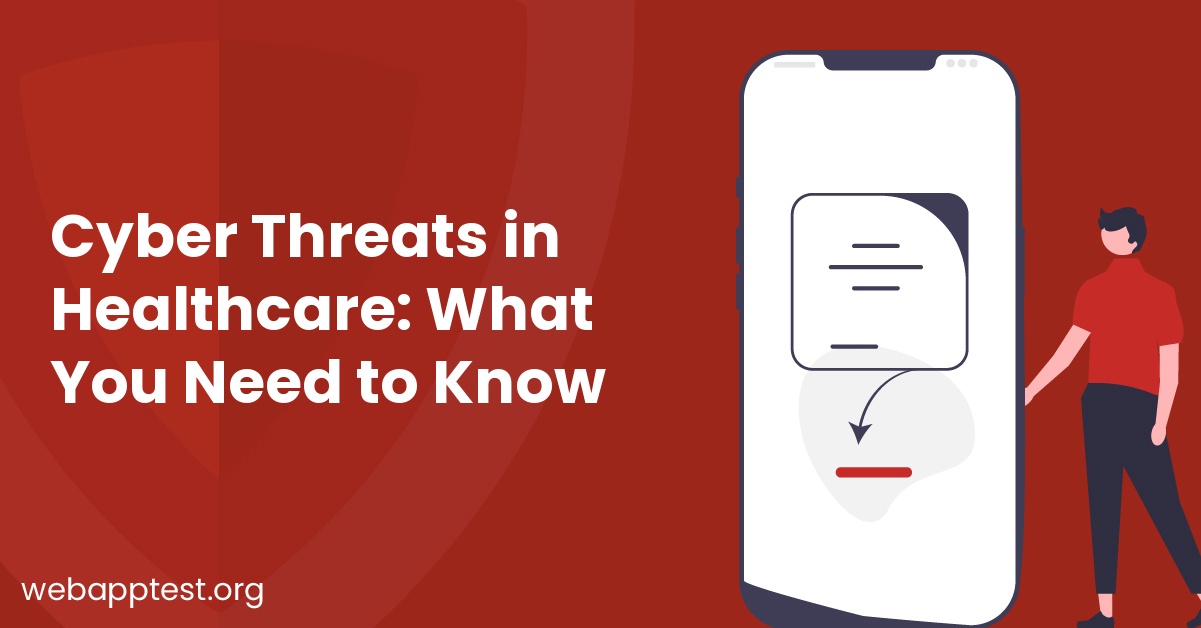
Cyber threats pose a significant risk to healthcare organizations, and it is crucial to understand their critical nature and take necessary steps to safeguard sensitive data. Poor cybersecurity practices and the storage of sensitive data make the healthcare sector an attractive target for cybercriminals. To ensure the integrity and confidentiality of patient information, we must address the four biggest cybersecurity challenges in healthcare: phishing, ransomware attacks, data breaches, and DDoS attacks.
Phishing is the most prevalent threat faced by healthcare organizations. Cybercriminals use malicious emails to deceive users into clicking on links or providing their credentials, compromising sensitive data. Ransomware attacks are another menace, infecting networks and encrypting data until a ransom is paid.
Data breaches are a common problem in the healthcare sector, jeopardizing patient information. Strict regulations like HIPAA (Health Insurance Portability and Accountability Act) aim to protect this data and hold organizations accountable for any breaches.
DDoS (Distributed Denial of Service) attacks aim to disrupt healthcare facilities by overwhelming servers with a flood of fake connection requests, causing service disruptions and potentially compromising patient care.
To tackle these challenges, healthcare organizations need to increase their visibility of cybersecurity risks, improve third-party security measures, expand cyber threat awareness through training, and implement multi-factor authentication to enhance data protection.
However, vulnerabilities in legacy systems and the challenges of IT in healthcare pose additional risks. Upgrading legacy systems, addressing IT challenges, and implementing robust cybersecurity measures are crucial steps to ensure the security and privacy of patient data.
By understanding the critical nature of healthcare cyber threats and adopting the necessary safeguards, we can protect our sensitive data and ensure the continuity of healthcare services.
The Four Biggest Cybersecurity Challenges in Healthcare
Healthcare organizations face several cybersecurity challenges, including phishing attempts, ransomware attacks, data breaches, and DDoS attacks. These threats pose a significant risk to the critical nature of healthcare operations and the safeguarding of sensitive data. To protect patient information and ensure business continuity, it is crucial for healthcare providers to understand and address these challenges head-on.
The Prevalence of Phishing
Phishing is one of the most prevalent threats in the healthcare industry. Cybercriminals use deceptive tactics, such as sending malicious emails, to trick users into clicking on links or providing their login credentials. These phishing attempts can lead to unauthorized access to sensitive data, compromising patient privacy and the security of healthcare systems. Healthcare organizations must educate their staff about the signs of phishing and implement robust email security measures to prevent these attacks.
The Menace of Ransomware Attacks
Ransomware attacks have become a major concern for healthcare providers. These attacks involve infecting networks and encrypting data, rendering it inaccessible until a ransom is paid. The consequences of a ransomware attack can be devastating, causing disruption to patient care, financial losses, and reputational damage. To mitigate this menace, healthcare organizations should regularly back up data, maintain up-to-date security patches, and invest in advanced threat detection and response systems.
Data Breaches and Patient Privacy
Data breaches are a common problem in the healthcare sector, putting patient privacy at risk. Cybercriminals target healthcare organizations to gain access to sensitive patient information, which they can sell or exploit for financial gain. Compliance with regulations such as the Health Insurance Portability and Accountability Act (HIPAA) is essential to ensure patient data security. Healthcare providers need to implement strong security measures, conduct regular risk assessments, and enhance data encryption and access controls to prevent data breaches.
Disrupting Healthcare Services with DDoS Attacks
DDoS (Distributed Denial of Service) attacks aim to disrupt healthcare services by overwhelming servers with an influx of fake connection requests. These attacks can lead to system downtime, hindering patient care and causing financial losses. Healthcare organizations must implement robust network security measures, including firewalls and intrusion detection systems, to detect and mitigate DDoS attacks. Employing traffic filtering techniques and collaborating with internet service providers can also help to prevent and minimize the impact of such attacks.
By understanding and addressing these four major cybersecurity challenges – phishing attempts, ransomware attacks, data breaches, and DDoS attacks – healthcare organizations can enhance their cybersecurity posture, protect patient information, and ensure uninterrupted delivery of critical healthcare services.
| Cybersecurity Challenge | Impact | Preventive Measures |
|---|---|---|
| Phishing attempts | Unauthorized access to sensitive data | Educate staff about phishing signs, implement robust email security measures |
| Ransomware attacks | Data encryption, disruption to patient care | Regular data backups, up-to-date security patches, advanced threat detection systems |
| Data breaches | Compromised patient privacy | Compliance with HIPAA, strong security measures, regular risk assessments |
| DDoS attacks | System downtime, hindrance to patient care | Robust network security, traffic filtering techniques, collaboration with ISPs |
Understanding Phishing Threats in Healthcare
Phishing is the most prevalent cyber threat in healthcare, as cybercriminals use deceptive emails to trick users into sharing their credentials unknowingly. These malicious emails often appear to be legitimate, making it difficult for individuals to identify them as potential threats. Once a user clicks on a malicious link or downloads an infected attachment, their sensitive information, such as usernames and passwords, can be compromised.
To protect against phishing attacks, healthcare organizations must educate their staff about the telltale signs of phishing emails. By training employees to recognize suspicious email addresses, grammatical errors, and urgent requests for personal information, organizations can reduce the risk of falling victim to phishing attempts. Additionally, implementing email filtering systems that detect and block malicious emails can provide an extra layer of defense against phishing attacks.
To further safeguard against phishing, multi-factor authentication should be implemented. This security measure requires users to provide additional verification, such as a unique code sent to their mobile device, alongside their username and password. By adding this extra step, healthcare organizations can significantly reduce the likelihood of unauthorized access to sensitive data.
Table 1: Common Signs of Phishing Emails
| Signs of Phishing Emails | Explanation |
|---|---|
| Unknown sender | Be cautious of emails from unfamiliar senders or suspicious email addresses. |
| Urgent requests | Phishing emails often create a sense of urgency, pressuring recipients to act quickly. |
| Grammatical errors | Look for misspellings, poor grammar, or strange sentence structure, as these can indicate phishing attempts. |
| Unusual attachments or links | Avoid clicking on attachments or links from unknown sources, as they may contain malware or lead to fraudulent websites. |
By understanding the tactics used by cybercriminals and taking proactive steps to prevent phishing attacks, healthcare organizations can protect their sensitive data and maintain the trust of patients and stakeholders. The implementation of robust cybersecurity measures is crucial in an industry where the stakes are high, and the consequences of a breach can be devastating.
The Menace of Ransomware Attacks on Healthcare
Ransomware attacks pose a significant threat to healthcare organizations by infecting networks and encrypting valuable data, demanding a ransom for its recovery. These attacks exploit vulnerabilities in cybersecurity practices, often infiltrating systems through phishing emails or unpatched software. Once inside, they lock healthcare providers out of their own data, hindering critical operations and potentially compromising patient care.
Network Infection and Data Encryption
When a ransomware attack strikes, it spreads rapidly across interconnected systems, infecting servers, workstations, and any other connected devices. The malware takes control of the network and encrypts sensitive data, rendering it inaccessible without the decryption key.
In healthcare, this can be catastrophic. Medical records, test results, and vital information needed for patient care can be locked away, causing significant disruption and potentially jeopardizing lives. Healthcare providers are left with two options: pay the ransom and hope for the decryption key, or attempt to restore systems from backups, which can be time-consuming and lead to further downtime.
Protecting Against Ransomware
Preventing ransomware attacks requires a multi-layered approach to cybersecurity. It starts with educating staff about the dangers of phishing emails and the importance of practicing good cyber hygiene. Regular training on identifying suspicious emails, avoiding clicking on unknown links, and reporting potential threats is crucial in building a cyber-aware culture.
Additionally, healthcare organizations should implement robust security measures, such as regularly updating software and systems, deploying strong firewalls, and performing regular data backups. Having a comprehensive incident response plan in place can help minimize the impact of an attack and facilitate a swift recovery process.
| Key Takeaways: |
|---|
| Ransomware attacks in healthcare can cripple operations by encrypting valuable data and demanding a ransom for its recovery. |
| Phishing emails and unpatched software are common entry points for ransomware attacks. |
| Educating staff about cybersecurity best practices and implementing robust security measures are vital in mitigating the risk of ransomware. |
By staying vigilant, investing in cybersecurity measures, and creating a culture of cyber threat awareness, healthcare organizations can effectively combat the menace of ransomware attacks and safeguard sensitive patient data.
Data Breaches: A Common Problem in Healthcare
Data breaches are a frequent occurrence in the healthcare industry, leading to the compromise of sensitive patient information and necessitating robust regulatory frameworks like HIPAA. Cybercriminals constantly target healthcare organizations due to the high value of the data they possess, such as medical records and personal details. These breaches not only result in financial losses but also erode patient trust and can have severe consequences for individuals whose private information is exposed.
In 2019 alone, there were over 500 reported data breaches in the healthcare sector, affecting millions of patients across the United States. The stolen data can be used for various malicious purposes, including identity theft, insurance fraud, and selling patient information on the dark web. The healthcare industry’s transition to electronic medical records and the increasing reliance on interconnected systems have created new avenues for cyber attackers to exploit vulnerabilities and gain unauthorized access to sensitive data.
To address this growing problem, healthcare organizations must adhere to strict data protection regulations, such as the Health Insurance Portability and Accountability Act (HIPAA). HIPAA sets standards for safeguarding patient information, ensuring privacy and security throughout its lifecycle. It requires healthcare providers to implement robust security measures, conduct regular risk assessments, and train staff on best practices for data protection.
Additionally, organizations should prioritize proactive measures to prevent data breaches, including implementing advanced cybersecurity technologies, conducting regular vulnerability assessments, and establishing incident response plans. Collaboration across the healthcare industry, including sharing threat intelligence and best practices, can also help strengthen defenses against cyber threats.
| Steps to Address Data Breaches | Example Solution |
|---|---|
| Implement robust encryption | Use industry-standard encryption algorithms to protect sensitive data |
| Regularly update and patch software | Apply security patches promptly to address vulnerabilities |
| Enhance employee training | Provide comprehensive cybersecurity awareness training to all staff members |
| Establish incident response plans | Create a clear and tested plan for responding to data breaches |
By taking proactive measures, healthcare organizations can minimize the risk of data breaches and protect the confidentiality, integrity, and availability of patient information. It is crucial for all stakeholders in the healthcare industry to prioritize cybersecurity and work together to create a secure and resilient environment for patient data.
Understanding DDoS Attacks and Their Impact on Healthcare
DDoS attacks are designed to disrupt healthcare facilities by overwhelming servers with an influx of fake connection requests, leading to service disruptions and potential data breaches. These attacks pose a significant threat to the critical operations of healthcare organizations, potentially compromising patient care and privacy.
During a DDoS attack, cybercriminals exploit vulnerabilities in the network infrastructure of healthcare facilities, flooding servers with an overwhelming amount of traffic. This flood of fake connection requests can overload the servers, causing them to slow down or crash altogether. As a result, healthcare facilities may experience prolonged system outages, leading to delayed patient care, loss of critical medical records, and an overall disruption in healthcare services.
Furthermore, DDoS attacks can also serve as a smokescreen for more nefarious activities, such as data breaches. While the servers are overwhelmed with fake requests, cybercriminals may take advantage of the chaos to gain unauthorized access to sensitive patient data. This can result in a serious breach of patient privacy and potential financial and reputational damage to healthcare organizations.
| Impact of DDoS Attacks on Healthcare | Consequences |
|---|---|
| Service disruptions | Delayed patient care, compromised operational efficiency |
| Potential data breaches | Loss of sensitive patient information, financial and reputational damage |
| Decreased trust in healthcare organizations | Loss of patient confidence, hindered reputation |
To mitigate the impact of DDoS attacks, healthcare organizations must adopt robust cybersecurity measures. This includes implementing traffic monitoring systems to detect and block suspicious traffic, deploying firewalls and intrusion prevention systems to filter out malicious requests, and collaborating with internet service providers to mitigate the effects of large-scale attacks. Regular testing and updating of defense mechanisms are also crucial to stay one step ahead of evolving threats.
By prioritizing cybersecurity and proactively addressing vulnerabilities, healthcare organizations can better safeguard their servers, protect patient data, and ensure the uninterrupted delivery of quality healthcare services.
Mitigating Healthcare Cyber Threats: Best Practices
Mitigating healthcare cyber threats requires a proactive approach, including enhancing visibility of cybersecurity risks, fortifying third-party security measures, raising cyber threat awareness through comprehensive training, and implementing robust multi-factor authentication protocols. As the healthcare sector continues to digitize sensitive patient data, it becomes crucial to stay one step ahead of cybercriminals who seek to exploit vulnerabilities for financial gain or other malicious intents.
Enhancing Visibility of Cybersecurity Risks
It is essential for healthcare organizations to have robust cybersecurity risk management systems in place. This includes conducting regular risk assessments to identify potential vulnerabilities and threats. By gaining a clear understanding of the specific risks faced by the organization, healthcare providers can allocate resources effectively and implement targeted security measures. This proactive approach enables organizations to stay ahead of cyber threats and mitigate potential damages.
Fortifying Third-Party Security Measures
Third-party vendors often play a critical role in healthcare organizations, providing services such as cloud storage, telehealth platforms, and electronic health record systems. However, partnering with third-party vendors also introduces potential security risks. It is crucial to thoroughly vet and select vendors that prioritize cybersecurity and have robust security measures in place. Additionally, organizations should establish clear contractual agreements that outline vendor responsibilities for maintaining the confidentiality, integrity, and availability of patient data.
Raising Cyber Threat Awareness through Comprehensive Training
Beyond internal initiatives, structured external education plays a critical role in building a truly resilient workforce. Enrolling staff in formal cybersecurity training courses gives employees certified, in-depth expertise that goes well beyond what most in-house programs can deliver — covering threat identification, incident response, and compliance frameworks specific to the healthcare sector. These credentials not only sharpen individual competency but also signal to regulators and partners that an organization takes its security obligations seriously.
Human error remains one of the leading causes of cybersecurity breaches. Therefore, it is imperative to raise cyber threat awareness among all employees of healthcare organizations. Regular training programs should be conducted to educate staff on recognizing and mitigating cyber threats such as phishing attempts, social engineering, and malware attacks. By fostering a culture of cybersecurity awareness, healthcare organizations can empower their employees to be the first line of defense against cyber threats.
Implementing Robust Multi-Factor Authentication Protocols
Traditional username and password combinations are no longer sufficient to protect sensitive patient data. Implementing strong multi-factor authentication protocols adds an extra layer of security by requiring users to provide additional forms of verification, such as biometrics or one-time passwords. This significantly reduces the risk of unauthorized access, even if login credentials are compromised. By implementing robust multi-factor authentication measures, healthcare organizations can ensure that only authorized personnel have access to patient data, minimizing the risk of data breaches and unauthorized disclosures.
| Best Practices | Description |
|---|---|
| Enhance visibility of cybersecurity risks | Conduct regular risk assessments to identify vulnerabilities and threats. |
| Fortify third-party security measures | Thoroughly vet and select vendors with robust security measures in place. |
| Raise cyber threat awareness through comprehensive training | Regularly educate employees on recognizing and mitigating cyber threats. |
| Implement robust multi-factor authentication protocols | Require additional verification beyond usernames and passwords. |
Addressing Legacy Systems and IT Challenges in Healthcare
Legacy systems and IT challenges in healthcare pose additional risks to patient data security, necessitating the upgrade of systems, effective addressing of IT challenges, and implementation of comprehensive cybersecurity measures.
Legacy systems, often outdated and unsupported, can become vulnerable targets for cyber threats. These systems lack the advanced security features found in modern technologies, making them more susceptible to breaches and attacks. To safeguard patient data, healthcare organizations must prioritize upgrading these legacy systems to more secure and reliable solutions.
Furthermore, IT challenges in the healthcare sector can exacerbate the risk landscape. Limited resources, budget constraints, and complex regulatory requirements make it difficult for organizations to maintain robust cybersecurity defenses. However, these challenges must be effectively addressed to ensure the integrity and confidentiality of patient information.
Implementing comprehensive cybersecurity measures is crucial to protect sensitive data in healthcare. This includes adopting multi-layered security protocols, such as firewalls, encryption, and intrusion detection systems. Regular security assessments and audits should also be conducted to identify vulnerabilities and implement necessary patches and updates.

William Bashir is the owner of Web App Test, a premier cybersecurity blog dedicated to providing the latest information and insights in the field. With a mission to deliver top-notch articles from industry-leading cybersecurity journalists, Web App Test serves as a one-stop destination for comprehensive cybersecurity guidance.
1 thought on “Cyber Threats in Healthcare: What You Need to Know”
Comments are closed.